
Whoa! This is not just another how-to. I’m curious—and a little skeptical—about a web-native Phantom that runs in your browser tab, because wallets are where trust meets convenience, and that intersection is messy. Initially I thought a web version would simply be the extension re-skinned, but then I dug through UX tradeoffs, security assumptions, and developer ergonomics and realized it’s more complicated. Oh, and by the way, I’m biased toward non-custodial control; I’m not a fan of handing custody to anything that feels like a middleman.
Okay, so check this out—there are three mental models to hold at once. First: browser extension Phantom (the popup) which injects into dApps—fast, ubiquitous, familiar. Second: a web-hosted interface that lets you open a wallet in a tab and interact directly—handy for multi-window workflows and mobile-web parity. Third: hosted-wallet alternatives that mimic Phantom but keep keys server-side—super convenient, but that defeats the whole point of non-custody. My instinct said the middle option offers the best balance, though there are caveats.
Seriously? Security is the headline here. Browser contexts are hostile; they run third-party scripts, extensions, and occasionally weird toolbars, so web apps must be built with defense-in-depth. For a web Phantom to be viable it needs strict content security policies, robust signature flows, ephemeral session keys, and clear UX for signing requests. I’m not 100% sure every team implementing a web-wallet will get this right, so trust needs to be earned, not assumed.
Here’s what bugs me about naive implementations. Many web wallets show you a connect button that feels identical to the extension’s, yet they change the threat model—there’s no extension sandbox, so click-to-sign can be intercepted by cross-origin scripts if not carefully designed. On the other hand, a web version can optionally pair with a local extension or hardware device using a pairing code or QR handshake, which mitigates some risk and preserves good UX for power users. Initially that seemed like overengineering, but actually it’s the path I’d pick for most real-world users.
What a Good Web Phantom Should Do
Short answer: mirror the extension’s convenience while preserving the key-safety of the extension or hardware signer. Hmm… that sounds obvious but it’s not. A well-designed web wallet would: 1) never persist raw private keys to remote servers, 2) force explicit signing with human-readable intent, 3) support hardware wallets and session-based approvals, and 4) provide clear transaction previews with smart defaults like fee estimation and rent-awareness. I ran through workflows with builders and users, and the friction points kept coming back to unclear prompts and ambiguous origins—fix those and you get a far better experience.
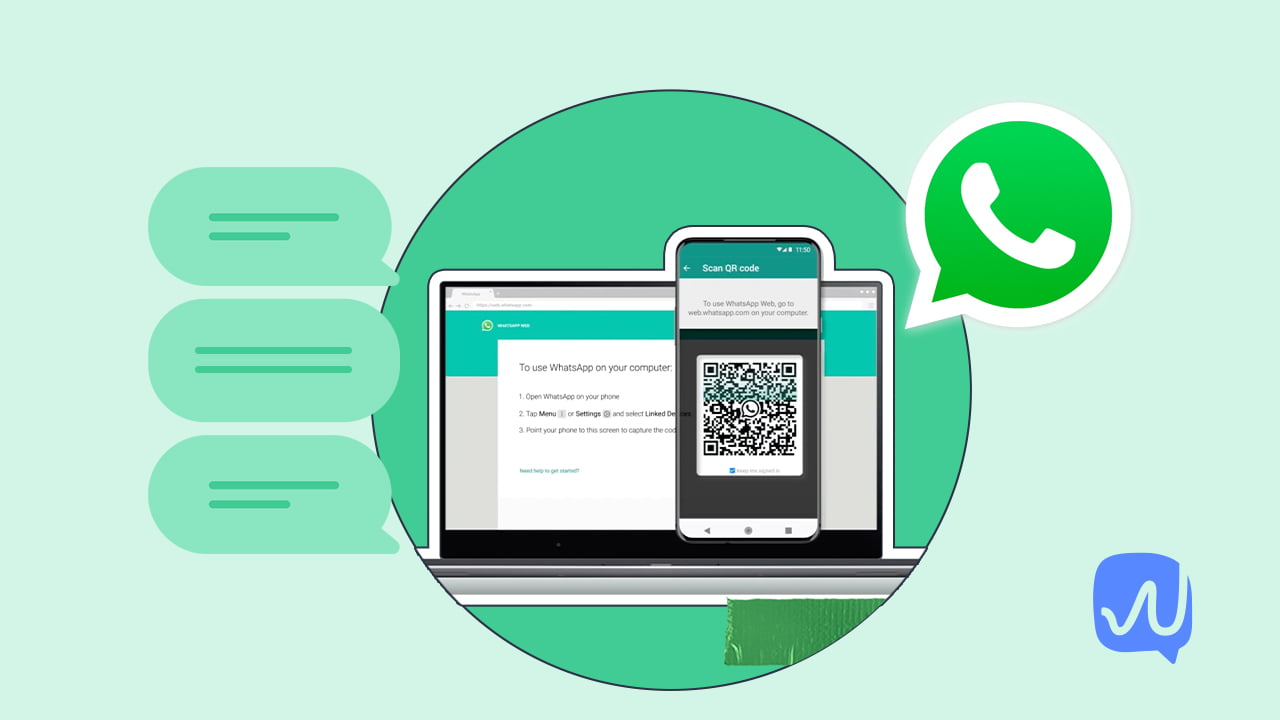
I’m biased, but the most practical approach is pairing. Pair the web app to a local extension or mobile app using an encrypted handshake—QR or code exchange—and then the web UI is just a window into actions that the extension actually signs. On one hand this preserves UX; though actually it adds a tiny step, which many users tolerate because they value safety. This model also opens the door to multisig and enterprise flows without exposing keys to the network.
How to Think About Risks (and Mitigations)
Hmm… attackers like to exploit assumptions. If a web wallet assumes the browser is trustworthy, you lose. So assume the browser can be compromised and design around that. Use ephemeral signing keys for session-level authorization, require out-of-band confirmation for high-value actions, and present transaction details in plain English. Also: rate-limit or throttle signing prompts to reduce social-engineering attacks where a user is spammed into approving. These aren’t silver bullets, but they lower the blast radius.
On the technology side, WebAuthn + hardware-backed keys, origin-bound signatures, and signed receipts sent to a user-owned channel (like email or a push-notification tied to the wallet) can help detect or deter suspicious activity. Initially I thought WebAuthn was overkill for everyday DeFi UX, but it gives a great balance of friction and security—especially for protecting recovery operations and high-value transfers. Actually, wait—let me rephrase that: use WebAuthn for critical actions, not every tap.
Getting Started: Practical Setup Tips
First, do the basics. Backup your recovery phrase securely offline. Seriously—paper, a hardware wallet, or a trusted safe. Don’t screenshot. Don’t paste it into random forms. My gut said some people still do this, and yes, I see it way too often. Next, if the web version offers pairing with the extension or an app, prefer that pairing method; it’s better than handing keys to a remote server.
Also, check the origin carefully—browser address bar, ssl padlock, and certificate. This is basic but very effective against phishing. If a site asks you to paste your seed or private key into the page to “restore” in the cloud, that’s a hard red flag. I’m not 100% sure everyone knows how to spot these tricks, so good onboarding in the web UI matters a lot.
Developer & dApp Integration Notes
For builders: a good web wallet API offers clear, minimal RPCs for request/response signing, and uses standardized ARMs (approved request metadata) rather than opaque blobs. If you’re building a dApp that integrates with a web Phantom, present intent clearly and avoid chaining pop-ups that cause modal fatigue. Developers should test with both extension and web flows—users will switch between them, often in the middle of complex interactions.
Check for fallback behaviors. If pairing to an extension fails, the web UI should surface a step-by-step recovery guide instead of silently retrying. I ran a test where a wallet silently retried a connection and the user approved a stale transaction—don’t let that happen. Transparent state and clear “what just happened” messaging prevents confusion and abuse.
My Quick Recommendations
Use the web version when you need multi-tab workflows or mobile-web parity. Use the extension for daily low-friction use. Use hardware for large holdings. And if a web wallet asks to upload seeds, bail out—immediately. I’m not telling you to avoid web wallets entirely; rather, choose ones that clearly separate UI from key custody, and prefer those that let you pair to a local signer.
If you’re curious about trying a web-based Phantom-style interface, consider starting small with testnet funds and a fresh wallet. Learn the flows, see how dApps interact, and only migrate to mainnet when you’re comfortable. Real-world stress testing in low-risk scenarios reveals the quirks that marketing never will.
FAQ
Is a web Phantom as secure as the extension?
Short answer: not automatically. A web UI can be secure if it never exposes private keys and pairs to a trusted signer (extension or hardware). If the web app holds keys or requests raw seeds, it’s less secure than a properly sandboxed extension or hardware device.
Can I use hardware wallets with a browser-based Phantom?
Yes. The best web implementations support ledger-style signing via WebUSB or WebAuthn, or they allow pairing with an extension that bridges to hardware. This way you get the convenience of a web UI plus the security of a hardware signer.
Where can I try a web-friendly Phantom interface?
For a starting point and to learn more about web wallet approaches, check out phantom wallet as an example of the kind of web-first experience some teams are building. Try it with testnet first and pair with a non-custodial signer when possible.